

Last Updated: 26 October 2026
Quick Summary
Banned substances in food supplements are ingredients that UK food law does not allow, or that are restricted, and ingredients listed by sporting and anti-doping bodies. The two lists overlap but are not identical, so check which one applies to you before taking a product.
- Read the full ingredients list and quantities, not just the marketing claims.
- Be cautious of products promising dramatic results in a short time.
- Avoid vague labels such as proprietary blend with no amounts given.
- Keep the packaging and batch number if you suspect a banned substance.
- Speak to your GP or a pharmacist, and call 999 for serious reactions.
Table of Contents
- What Banned Substances in Food Supplements Actually Means
- Common Banned Substances Found in Supplements
- Why These Substances Are Restricted
- How to Check Supplement Ingredients Before You Buy
- Food Supplement Labelling Requirements in the UK
- Undeclared Ingredients in Supplements and Why They Happen
- Supplements and Anti-Doping: What Athletes and Shift Workers Should Know
- What to Do If You Suspect a Supplement Contains a Banned Substance
- Frequently Asked Questions
What Banned Substances in Food Supplements Actually Means
If you take a food supplement, "banned" can mean different things depending on who is asking. For most people taking a supplement at home, it refers to an ingredient that UK law does not allow in a food supplement, or one that is restricted.
For many shift workers, this question matters more than it might for others. Some people are tested for drugs or for performance-enhancing substances as part of their job or their sport. A supplement that contains an undeclared stimulant or a restricted ingredient could cause problems, even when the person had no idea it was there.
Banned substances in food supplements are usually either prohibited under UK food law or listed by sporting and anti-doping bodies. The two lists overlap, but they are not identical, so it helps to know which one applies to you.
Common Banned Substances Found in Supplements
The list below is a general guide, not a complete legal list.
Why These Substances Are Restricted
If you want to understand what makes a label trustworthy in the first place, our guide on how to spot the benefits of fully transparent supplement labels explains what to look for.
How to Check Supplement Ingredients Before You Buy
Start by reading the full ingredients list. Look for anything you do not recognise, and search for it before you take the product.
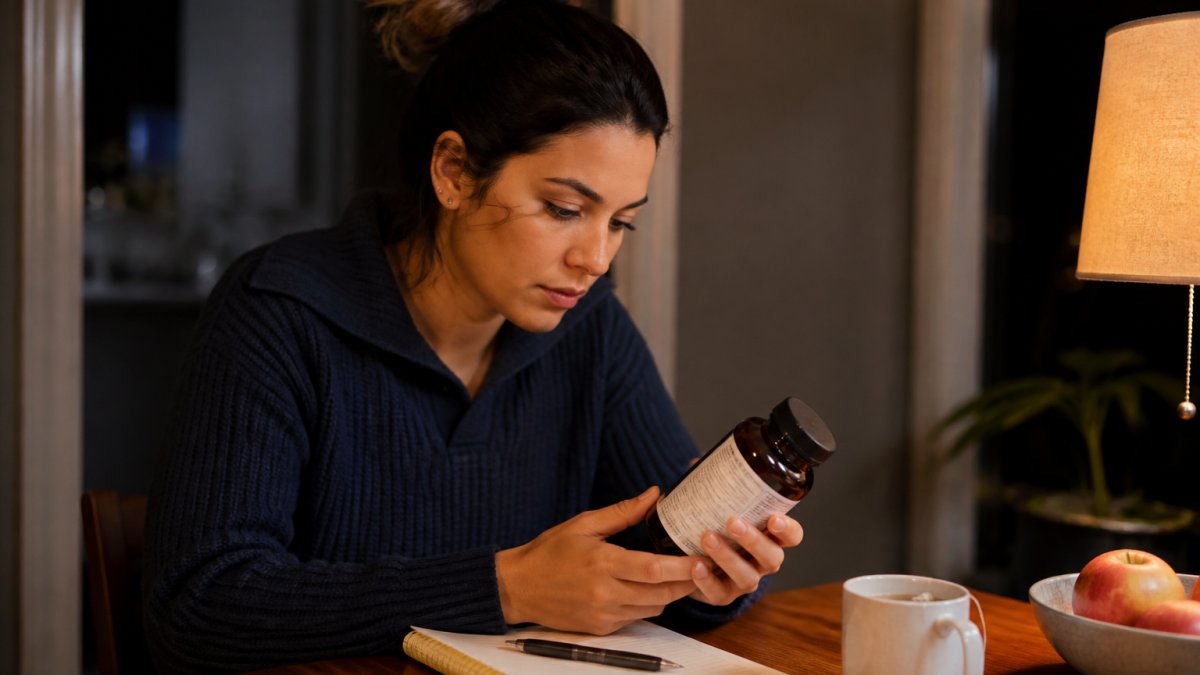
Here is a simple check you can make before you buy:
-
Read the full ingredients list and quantities, not just the marketing claims
-
Check that the product is sold as a food supplement, not a medicine or a sports product, and see our guide on how to choose clean supplements for night shifts for more.
-
Be cautious of products that promise dramatic results in a short time
-
Avoid products with vague labels such as "proprietary blend" with no amounts given
-
Check the product's official information before you buy, including the full ingredients and allergens for this product
If something looks odd, it probably is. Trust your instincts and walk away from products that do not give you clear answers.
Food Supplement Labelling Requirements in the UK
You can read the official guidance on the [Food Standards Agency's advice on food supplements | food.gov.uk] to see what producers are expected to include on a label. The rules are useful to know because they give you a benchmark. If a product's label falls short of them, that is a warning sign.
Undeclared Ingredients in Supplements and Why They Happen
Sometimes a supplement may contain an ingredient that is not on the label. This is called an undeclared ingredient.
Supplements and Anti-Doping: What Athletes and Shift Workers Should Know
Anti-doping rules are mainly aimed at athletes, but they can affect anyone who is tested under a set of sporting or workplace rules.
What to Do If You Suspect a Supplement Contains a Banned Substance
If you think a supplement may contain a banned substance, keep the packaging and batch number in case you need to ask for advice.
Next, speak to your GP or a pharmacist. They can tell you whether you need any checks and can advise on any side effects you have noticed. If you have had a reaction such as a racing heart, chest pain, dizziness or a fit, seek urgent medical help by calling 999 or going to A&E.
Frequently Asked Questions
How can I check whether a food supplement contains a banned substance?
Start by reading the full ingredients list and the nutrition or supplement information panel. Look for any ingredient you do not recognise and check it against the sport's governing body list if you compete. Choose products that display a batch number and a manufacturer or responsible person's name and address.
Are food supplements tested for banned substances?
Not all of them. In the UK, food supplements must be safe and compliant with food law, but there is no requirement for every product to be tested for substances banned in sport. Some manufacturers choose to have batches independently tested by accredited laboratories, and those products often carry a certification mark. Testing is most valuable for athletes subject to anti-doping rules, because a positive test can have serious consequences even if the substance was unintentionally present.
Can a supplement contain a banned ingredient that is not listed on the label?
Yes, a supplement can contain an ingredient that is not listed on the label.
What should I do if I think a supplement has caused a side effect?
Keep the packaging so the batch number and ingredients are available. Contact your GP, NHS 111 or pharmacist if symptoms are concerning, and seek urgent help by calling 999 for severe reactions such as breathing difficulties or chest pain.
